Lupus Street upholstery cleaning specialists in Pimlico: a practical guide to cleaner, longer-lasting furniture
If your sofa is looking a bit tired, your armchair has picked up mystery marks, or the dining chairs are starting to hold onto everyday smells, you are not alone. Upholstery takes a beating in real homes and busy workplaces, especially in a central London area like Pimlico where shoes, traffic dust, pets, children, guests, and the occasional spill all get a vote. Lupus Street upholstery cleaning specialists in Pimlico help restore fabric furniture with the right methods, the right cleaning chemistry, and the sort of care that protects the material rather than just making it look good for a day.
This guide explains what upholstery cleaning actually involves, how a professional service works, who needs it, and how to choose the right approach for your furniture. You will also find practical tips, common mistakes, a clear checklist, and a straight-talking FAQ section. Nothing fluffy, nothing overblown. Just useful information you can use before booking a clean or comparing options.
Expert summary: Good upholstery cleaning is not just about removing visible stains. It is about matching the cleaning method to the fabric, controlling moisture, treating problem areas carefully, and leaving the furniture fresh, safe, and usable without unnecessary wear.
Table of Contents
- Why Lupus Street upholstery cleaning specialists in Pimlico Matters
- How Lupus Street upholstery cleaning specialists in Pimlico Works
- Key Benefits and Practical Advantages
- Who This Is For and When It Makes Sense
- Step-by-Step Guidance
- Expert Tips for Better Results
- Common Mistakes to Avoid
- Tools, Resources and Recommendations
- Law, Compliance, Standards, or Best Practice
- Options, Methods, or Comparison Table
- Case Study or Real-World Example
- Practical Checklist
- Conclusion
- Frequently Asked Questions
Why Lupus Street upholstery cleaning specialists in Pimlico Matters
Upholstery is one of those things people stop noticing until it starts bothering them. A sofa can look fine from across the room, then under daylight you spot faded drink rings, a patch where someone always sits, and a fabric that just feels a little dull. That is usually the point where a proper clean starts to matter.
In Pimlico, homes and businesses often sit in a mix of period properties, compact flats, managed apartments, and professional spaces. That matters because fabric furniture in these settings tends to pick up different kinds of soiling. In a family flat, you may deal with food spills and pet hair. In a rental property, you may be dealing with wear, odour, and the aftermath of guests. In a small office, the issue is often dust, body oils, and tea or coffee marks on reception seating. Different problem, same result: the upholstery needs a methodical clean rather than a quick surface wipe.
Professional upholstery cleaning is also about preservation. Many fabrics are more delicate than they look. A hard scrub, too much water, or the wrong detergent can cause dye bleed, fibre distortion, water marks, or a crushed pile that never really recovers. Truth be told, some of the worst damage I have seen came from overconfident DIY attempts. A bit of enthusiasm can be expensive.
There is also the hygiene side. Upholstered furniture can hold onto dust, skin flakes, allergens, pet dander, and trapped odours. You may not see them, but you will notice the room feels fresher after a proper clean. For anyone with guests coming over, tenants moving in, or a business wanting a more polished impression, that difference matters a lot.
If you are considering broader property care alongside upholstery, it can help to look at related services such as deep cleaning or targeted fabric care like sofa cleaning when the furniture needs more than a quick refresh.
How Lupus Street upholstery cleaning specialists in Pimlico Works
Professional upholstery cleaning is usually a careful sequence rather than a single action. That may sound obvious, but it is the difference between a decent result and a risky one.
The first step is inspection. A specialist will identify the fabric type, the construction of the furniture, any labels or care instructions, visible damage, and the kind of staining present. This is the stage where experience pays off. A velvet sofa, a synthetic blend, and a natural fibre armchair do not all want the same treatment. Not even close.
Next comes testing. A small hidden area may be checked for colour stability and reaction to the chosen product. This is basic best practice, but it is often skipped in rushed jobs. You really do not want to discover dye transfer halfway through.
Then comes pre-treatment. Dry soil is lifted first, usually with a thorough vacuum using upholstery attachments. Loose dust and grit matter because if they are left in the fabric, they can scratch fibres during cleaning. Stubborn stains may be pre-sprayed with a suitable solution or treated individually. Pet odours, drink marks, and greasy patches often need a more specific approach.
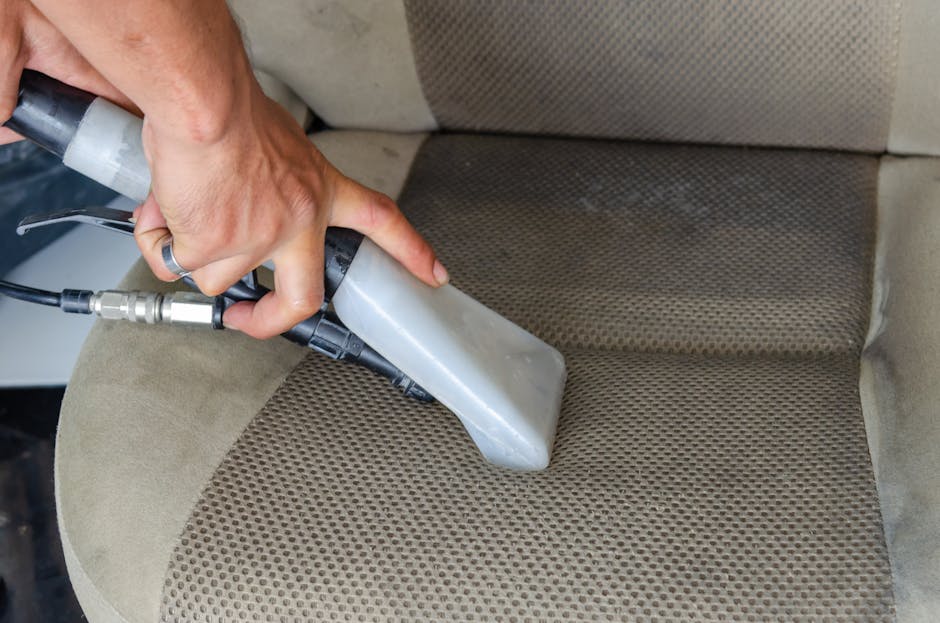
After that, the cleaner may use a low-moisture or hot water extraction method, depending on the fabric and condition. For some items, delicate foam or encapsulation-style methods are more appropriate. The aim is always the same: remove soil while keeping the fabric safe, evenly cleaned, and not soaked through.
Finally, the item is dried and inspected. A good result should leave the furniture looking cleaner, smelling fresher, and feeling comfortable rather than stiff or damp. If a room feels a bit stuffy after the clean, good ventilation helps. Open a window if you can. London weather does not always cooperate, but when it does, use it.
What makes the process local and practical?
In an area like Pimlico, access can be a real factor. Narrow entrances, upper-floor flats, managed blocks, and parking restrictions all shape how the job is carried out. A specialist used to working locally will plan around that. Small detail, big difference. It saves time and reduces hassle for everyone.
Key Benefits and Practical Advantages
The obvious benefit is cleaner furniture. But the real value goes a bit further than that.
- Better appearance: Fabric looks brighter, colours appear more even, and the room feels more cared for.
- Odour reduction: Everyday smells from cooking, pets, and general use are less likely to linger in the fibres.
- Fabric preservation: Professional cleaning can help prolong the life of upholstery by removing abrasive grit and surface grime.
- Healthier indoor environment: Reducing dust and trapped debris can make a noticeable difference, especially in smaller London homes.
- Better presentation: This matters for landlords, hosts, offices, and anyone expecting visitors or clients.
- Smarter maintenance: Regular care can reduce the need for premature replacement, which is never cheap, is it?
There is also a psychological benefit people often overlook. A clean sofa or reception chair changes how a room feels. It can make a flat feel more settled, a living room feel more inviting, and a waiting area feel more trustworthy. That is not dramatic. It is just true.
For fabric items in the same property, many customers also look at rug cleaning or curtain cleaning so the whole room feels consistent rather than half refreshed and half forgotten.
Who This Is For and When It Makes Sense
Upholstery cleaning is not just for obviously dirty furniture. In fact, some of the best time to clean is before the problem looks serious. A sensible clean can prevent stains from setting deeply and help fabrics stay in better condition.
This service makes sense for:
- homeowners who want to refresh sofas, chairs, and footstools
- renters preparing for inspections or end of tenancy
- landlords and managing agents wanting presentable furnishings
- hosts and short-let operators who need a tidy, neutral-smelling property
- small offices with upholstered seating in reception or meeting rooms
- families with children, pets, or frequent use of shared living spaces
It also makes sense when you notice specific signs such as flattened seating areas, patchy shading, food or drink marks, stubborn odours, or an overall grey film on the fabric. Sometimes the issue is not even a stain. It is just a build-up of daily life. A mug on the armrest. A bag dropped on the seat. A dog that insists the sofa is their throne.
If you are comparing services across a whole property, you may also want to combine upholstery work with mattress cleaning or house cleaning for a more complete reset.
Step-by-Step Guidance
Here is a practical way to think about the process, whether you are booking the work or simply trying to understand what good service looks like.
- Identify the fabric and the problem. Is it a synthetic sofa, a wool blend, velvet, or a more delicate material? What exactly are you dealing with: food, body oils, pet urine, drink spill, or general dullness?
- Check care labels and construction. Some items are suitable for low-moisture cleaning, others need very limited wetting, and a few may require specialist handling. That label underneath the cushion is easy to ignore, but it matters.
- Vacuum thoroughly. Dry soil must come out first. This is not glamorous work, yet it is one of the most important parts of the job.
- Pre-treat the main marks. Target the problem areas before overall cleaning. A coffee mark on the armrest usually needs a different approach from a broad traffic area.
- Clean using the safest method for the fabric. Good technicians choose the method to suit the item, not the other way around.
- Extract, rinse, or neutralise as needed. The aim is to remove residues so the fabric does not feel sticky or attract dirt quickly afterwards.
- Dry properly. Air movement helps. So does sensible moisture control. Rushing the drying stage can cause odours or lingering dampness.
- Inspect the result and note any remaining issues. Some stains are permanent or partially set, and a trustworthy specialist will say so plainly rather than pretending otherwise.
A real-world example: a living room sofa that looks broadly fine may still hide a lot of grime on the seating channels and around the arms. Once cleaned, the colour often appears richer, and the room suddenly feels lighter. Not magic. Just proper method.
Expert Tips for Better Results
In our experience, the best upholstery results usually come from a mix of preparation, restraint, and the right expectations. Here are a few things worth knowing.
- Act early on spills. Blot, do not scrub. Scrubbing can push liquid deeper and spread the mark wider.
- Test first on delicate items. Colourfastness is never something to assume, especially on patterned or vintage fabrics.
- Tell the cleaner about previous treatments. If you have used store-bought stain remover, say so. Residues can react badly with professional products.
- Allow the furniture to dry fully before heavy use. Sitting on it too soon can flatten damp fibres or transfer soil back into the fabric.
- Use protectors thoughtfully. Fabric protector can be helpful in some cases, but it is not a substitute for maintenance.
- Keep the room ventilated. Fresh air helps drying and reduces lingering moisture, especially in compact flats.
One small but useful tip: if a stain is old, do not keep attacking it repeatedly before a clean. That can make it worse. Leave it alone and let the technician assess it. Sometimes doing less is smarter. Funny how often that turns out to be the case.
You may also want to coordinate upholstery care with stain removal or pet stain odour removal if the issue is more specific than general dirt.
Common Mistakes to Avoid
Most upholstery damage happens because someone means well and uses the wrong approach. That is the annoying part.
- Using too much water: Overwetting can lead to marks, longer drying times, and damp smells.
- Scrubbing hard: This can fuzz fibres, spread stains, and push soil deeper.
- Ignoring the fabric type: What works on a synthetic couch may be risky on natural fibres or delicate weaves.
- Cleaning only the stain: Spot-cleaning a single area without blending the whole panel can leave tide marks.
- Applying random household products: Vinegar, bleach, and harsh sprays can do more harm than good.
- Using furniture before it is dry: This can flatten the pile and trap moisture in the cushions.
- Assuming every stain can be removed: Some marks are permanent or chemically changed. Honest advice is better than false hope.
Another common issue is trying to solve an odour without finding the source. If a pet accident soaked into the padding, surface cleaning alone may not be enough. The smell can come back, usually when the room warms up. Not ideal, obviously.
Tools, Resources and Recommendations
A professional upholstery cleaner will usually bring a mix of inspection tools, vacuum attachments, pre-spray solutions, stain treatments, extraction equipment, and drying support. The exact setup depends on the job. There is no one-size-fits-all kit, despite what some shiny ads imply.
| Method or tool | Best for | What to watch for |
|---|---|---|
| Upholstery vacuum attachments | Dry soil, dust, and debris on most fabrics | Should lift dirt gently without snagging the material |
| Pre-treatment sprays | Food marks, body oils, general grime | Must be matched to fabric type and stain condition |
| Hot water extraction | Robust fabrics and deeper soil removal | Needs controlled moisture and effective drying |
| Low-moisture cleaning | Delicate or moisture-sensitive fabrics | May need more careful agitation and targeted spotting |
| Odour treatment | Pet accidents and lingering smells | Source of odour must be addressed, not masked |
When you are choosing a provider, look for clarity rather than flashy promises. A good cleaner should be able to explain what method they plan to use, what the limits are, and how long drying may take. If they dodge those questions, that is a small red flag. Maybe not a giant one, but still.
For broader property cleaning needs, it can also help to check services such as regular cleaning or one-off cleaning if you want the whole place to feel consistently looked after.
Law, Compliance, Standards, or Best Practice
Upholstery cleaning is not usually a heavily regulated service in the way some specialist trades are, but good operators still follow clear best practice. That means using products safely, protecting property, handling electrical equipment responsibly, and working in a way that reduces risk to people, pets, and furnishings.
In the UK, customers should reasonably expect a provider to communicate clearly about any limitations, potential risks, and safety precautions. For example, if a fabric is likely to shrink, bleed, or react unpredictably, that should be explained before work begins. Likewise, if heavy staining cannot be fully removed, it is better to know upfront than be disappointed later.
It is also sensible for a business to carry appropriate insurance and maintain a health and safety-minded approach. That does not mean every job is complex or high risk. It just means the cleaner is taking care with equipment, chemicals, ventilation, and access. In a busy London building, that care matters more than people sometimes think.
For customers, the best practice is simple: ask what method will be used, confirm whether the fabric is suitable, and make sure access, parking, and drying time have been considered. A few minutes of planning can prevent a lot of frustration. The boring bits save the day, as usual.
Where relevant, you can review business-facing details such as insurance and safety, health and safety policy, and terms and conditions so expectations are clear before any work is booked.
Options, Methods, or Comparison Table
Not every upholstery job should be cleaned the same way. The right method depends on fabric, level of soiling, and how much drying time you can allow. Here is a simple comparison that may help.
| Method | Best use | Advantages | Trade-offs |
|---|---|---|---|
| Hot water extraction | Durable upholstery with deep soil or general dullness | Strong cleaning power, good soil removal | Needs careful drying, not ideal for every fabric |
| Low-moisture cleaning | Delicate materials or rooms needing faster turnaround | Reduced wetting, often quicker drying | May not suit heavy embedded soil |
| Targeted stain treatment | Specific marks like drinks, food, or pet spots | Focused and efficient | Not a full refresh on its own |
| Fabric protector application | After cleaning on suitable items | May help resist future spills | Should not be treated as a cure-all |
For some homes, upholstery cleaning is best done alongside carpet cleaning or steam carpet cleaning so the entire room feels fresh at once. That can be especially sensible before a move, after a renovation, or when you simply want a proper reset.
Case Study or Real-World Example
Picture a small Pimlico flat with a two-seat sofa, two dining chairs, and a fabric office chair in the spare room. Nothing dramatic at first glance. But the sofa arms are darker where hands rest, one chair has a faint tea mark, and the office chair has picked up dust and a little odour over time.
A careful upholstery clean would likely start with inspection and vacuuming, followed by targeted treatment on the tea mark and the darker arm areas. The cleaner would probably test for colour fastness before applying any moisture. If the sofa fabric is durable, extraction may be suitable. If the dining chairs are more delicate, a lower-moisture approach could be better.
After the clean, the room would not just look better. The seats would feel less sticky, the soft furnishings would smell fresher, and the flat would have that slightly odd but satisfying "newly sorted" feeling. You know the one. It is not about perfection. It is about getting the room back to a comfortable baseline.
That is what good local upholstery cleaning should do: make everyday life feel easier without making the process itself a hassle.
Practical Checklist
Use this simple checklist before booking upholstery cleaning in Pimlico:
- Identify which items need cleaning: sofa, chairs, stools, cushions, or office seating
- Check for care labels or manufacturer guidance where available
- Note the main problem: stains, odour, dullness, pet damage, or general wear
- Take a quick look at access, parking, and lift availability if relevant
- Ask what method is likely to be used on your fabric
- Confirm whether the cleaner has experience with delicate or mixed fabrics
- Ask how long drying may take and how to improve airflow afterwards
- Move breakable items and clear the area around the furniture
- Keep pets and children away from the cleaned item until it is fully dry
- Ask what to do if a stain does not fully lift on the first pass
Quick takeaway: the best upholstery clean is the one matched to the fabric, the stain, and the room, not the one that simply uses the most product or the most water.
Conclusion
Upholstery cleaning is one of those services that quietly improves daily life. The room looks better, the furniture lasts longer, and the whole place feels more comfortable. For homes and businesses near Lupus Street in Pimlico, the value is especially practical because local properties often need care that balances access, fabric sensitivity, and a sensible turnaround time.
If you remember only one thing, let it be this: good upholstery cleaning is careful work. It starts with the fabric, not the stain. It respects drying time, uses the right method, and tells you honestly what can and cannot be achieved. That approach saves money, protects your furniture, and usually gives you a result that feels properly worth it.
Whether you are dealing with one stubborn mark or planning a broader refresh across the property, the best next step is to assess the fabric, decide what needs attention, and choose a specialist who explains the process clearly. Simple, really. Well, simple once you know what to look for.
Get a free quote today and see how much you can save.
Frequently Asked Questions
What do Lupus Street upholstery cleaning specialists in Pimlico actually clean?
They typically clean fabric sofas, armchairs, dining chairs, footstools, cushions, and similar upholstered items. Some may also handle specialist fabrics or commercial seating, depending on the material and condition.
How often should upholstery be professionally cleaned?
That depends on use, household size, pets, and whether the furniture is in a home or business setting. Busy family sofas or office seating may need attention more often than lightly used furniture.
Can upholstery cleaning remove old stains?
Sometimes yes, sometimes partly, and sometimes not at all. Older stains can set into the fibres or change chemically over time. A good specialist should give a realistic view after inspection.
How long does upholstery take to dry?
Drying time varies by fabric, method, room temperature, and ventilation. Low-moisture methods may dry faster, while deeper cleaning can take longer. Good airflow usually helps a lot.
Is upholstery cleaning safe for delicate fabrics?
It can be, if the cleaner chooses the correct method and tests the fabric first. Delicate items need more caution, and sometimes a specialist low-moisture approach is the safest route.
Will upholstery cleaning get rid of pet smells?
It often helps significantly, especially when combined with targeted odour treatment. If the accident soaked deeper into the padding, surface cleaning alone may not fully solve it.
Do I need to move furniture before the cleaner arrives?
Usually you only need to clear the area around the item and remove loose objects. Heavy furniture is often best left in place unless the cleaner asks otherwise.
Can upholstery cleaning damage my sofa?
It can if the wrong method is used, or if the fabric is not tested first. That is why fabric identification, careful product choice, and moisture control matter so much.
What should I ask before booking a service?
Ask what method will be used, how they handle delicate fabrics, whether they test for colour fastness, how long drying may take, and what happens if a stain does not fully lift.
Is upholstery cleaning worth it for rental properties?
Yes, often. It can improve presentation, help the property feel fresher, and reduce the chance that tired upholstery makes the whole place look neglected. For landlords, that is a practical win.
Can cleaning help with allergies?
It may help by reducing trapped dust and debris in the fabric. It is not a medical treatment, of course, but fresher upholstery can support a cleaner indoor environment.
What is the difference between upholstery cleaning and sofa cleaning?
Upholstery cleaning is the broader term for fabric furniture care, while sofa cleaning is a more specific service focused on sofas. In practice, the methods overlap a great deal.