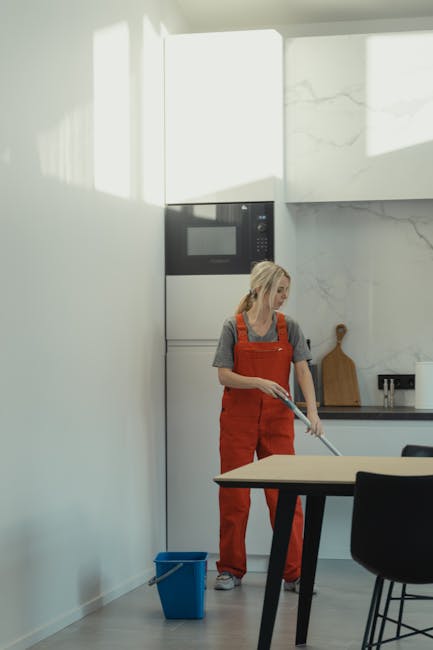
Pimlico office cleaning packages vs home rates
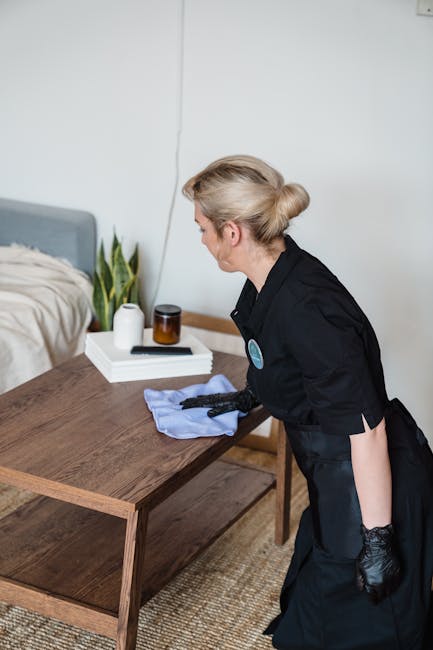
If you are trying to compare Pimlico office cleaning packages vs home rates, you are probably juggling a few things at once: budget, cleanliness standards, how often the space needs attention, and whether you want a simple fixed package or a more flexible domestic-style visit. In Pimlico, that choice can make a noticeable difference to both cost and results. Office cleaning is usually priced around access, frequency, scope, and risk. Home cleaning is often shaped more by room count, lifestyle mess, and one-off tasks. They may sound similar on the surface, but the pricing logic is not the same at all.
This guide breaks the comparison down in plain English. You will see what drives the rates, where office packages can be better value, where home rates can be more sensible, and how to avoid paying for cleaning you do not actually need. If you want a wider view of service options while you compare, it can help to look at the provider's main pricing and quotes information alongside the relevant service pages such as office cleaning and domestic cleaning.
Let's face it, most people do not need a cleaning lecture. They need a clear answer: what should I expect to pay, and which option is the better fit for my space? That is what this article is here to do.
Why Pimlico office cleaning packages vs home rates Matters
The short version: offices and homes are cleaned for different reasons, and those reasons affect price. A home is usually booked around comfort, hygiene, and the everyday mess of family life. An office is booked around presentation, staff wellbeing, visitor experience, and keeping a professional environment running smoothly. That means the cleaning specification is different before anyone even starts mopping the floor.
In Pimlico, this matters even more because many properties are compact, shared, or time-sensitive. A small office near a busy street might need early-morning cleaning before staff arrive. A flat or townhouse might need flexible domestic cleaning around family routines. The same cleaner may be capable of both, but the service model is different. One-off work, regular contracts, deep cleans, and specialist add-ons all nudge the price in different directions.
There is also the matter of expectations. Office clients often want consistency. Same time, same tasks, same standard. Home clients often want adaptability. One week it is the kitchen and bathroom; another week it is skirting boards, dusting, and a quick reset before guests arrive. That flexibility can be handy, but it can also make home rates harder to predict if the scope keeps changing.
Key takeaway: office packages usually reward repeat structure, while home rates usually reward flexibility. If you understand that, you are already ahead of most people comparing quotes.
How Pimlico office cleaning packages vs home rates Works
At a practical level, the difference usually comes down to how the cleaning job is priced and delivered.
Office cleaning packages are often built around a repeat schedule. The cleaner or team will agree a set list of tasks, frequency, and access time. That package might include bins, wipe-downs, washrooms, touchpoint cleaning, vacuuming, and kitchen area resets. The more predictable the routine, the easier it is to price the visit efficiently.
Home rates, by contrast, are often quoted by time, room count, or a custom checklist. A domestic service can vary a lot from one property to another. A one-bedroom flat with minimal clutter is a different proposition from a busy family home with pets, children, and a lot of lived-in use. If you want a deeper, more restorative clean, the provider may suggest a one-off cleaning or deep cleaning approach rather than a standard visit.
In everyday terms, office packages are usually easier to standardise, while home rates are easier to personalise. That sounds simple, but it is the main reason the pricing can diverge so much.
There is also a labour factor. Offices may have fewer soft furnishings and less personal clutter, but they often require sharper presentation and faster turnaround. Homes often have more objects to move around, more delicate surfaces, and more "please do not touch that pile over there" moments. Yes, that pile. We have all seen one.
What typically affects the price
- Cleaning frequency: daily, weekly, fortnightly, or ad hoc.
- Size and layout of the space.
- Number of rooms, workstations, or shared areas.
- Washroom and kitchen requirements.
- Special surfaces such as hardwood, carpet, or upholstery.
- Access and timing, especially before business hours.
- Whether supplies and equipment are included.
- Any specialist add-ons such as window cleaning or carpet cleaning.
Key Benefits and Practical Advantages
When you choose the right pricing model, the benefits go beyond saving a few pounds. You get a service that actually fits the way the property is used.
For offices:
- Predictable budgets, which is helpful for monthly planning.
- Consistency in hygiene and presentation.
- Less downtime because tasks are built around routines.
- Easier onboarding for reception areas, shared desks, and meeting rooms.
- Better value when cleaning needs are steady rather than occasional.
For homes:
- More flexible scope, especially if your household needs change.
- Useful for seasonal resets or before guests arrive.
- Can be tailored around family life, pets, or specific problem areas.
- Good for targeted support rather than a fixed contract.
Another benefit people miss is morale. A clean office tends to feel calmer and more professional, and that matters on a Monday morning when everyone arrives a bit too early and the kettle is already on. A clean home, meanwhile, is often less about impressing anyone and more about breathing room. Different outcomes, different value.
If you want ongoing support rather than a one-off reset, it may be worth comparing package-style options with regular cleaning. If the space only needs occasional attention, a one-off cleaning or deep cleaning visit may make more sense.
Who This Is For and When It Makes Sense
This topic is especially relevant if you fall into one of these groups:
- A small business owner in Pimlico comparing a regular office contract with ad hoc domestic-style cleaning.
- A landlord or property manager weighing the cost of keeping a workspace, studio, or home office clean.
- A homeowner who also uses part of the property as a business base and wants to avoid overpaying.
- A tenant or occupier who is unsure whether a domestic rate or a small commercial package is more appropriate.
- A manager of a professional suite, clinic, or shared workspace that needs careful presentation.
It makes sense to compare the two models when the space is no longer just "a room with a desk" or "a flat with a laptop". Once there are regular visitors, shared facilities, repeated footfall, or a schedule to maintain, office-style pricing often starts to look more efficient. On the other hand, if you only need occasional help around your household, a home rate may be the better, simpler choice.
A quick rule of thumb: if the cleaning can be standardised, packages tend to win. If it changes from week to week, home rates often feel fairer.
Step-by-Step Guidance
If you are comparing quotes in a sensible way, use this process. It saves time and prevents that awkward moment where the cleaner prices one thing and you were imagining something else entirely.
- List the real space use. Is it an office, a home office, a shared domestic space, or a mix?
- Write down the tasks. Don't just say "clean the place". Note desks, bins, washrooms, kitchen areas, vacuuming, dusting, floors, and any extras.
- Separate routine tasks from occasional tasks. For example, daily touchpoint cleaning is different from monthly steam carpet cleaning.
- Check access and timing. Early morning, after-hours, lock-up requirements, and key handling can all affect pricing.
- Ask what is included in the package. Supplies, equipment, consumables, and disposal rules should be clear.
- Compare frequency rather than just headline price. A cheaper visit once a month may be worse value than a slightly higher weekly visit that keeps standards up.
- Review special surfaces and risk areas. Think glass, upholstery, washrooms, hard floors, and any stains or odours that need specific treatment.
- Request the quote in writing. That keeps expectations clear for both sides.
One practical tip: if you are unsure whether your space behaves more like a business or a home, describe the actual use of the rooms. A home with heavy footfall and clients coming in and out is not really a standard domestic clean. A tiny office with one person and no visitors is not the same as a multi-desk corporate suite. Context matters.
Expert Tips for Better Results
Here is where a bit of experience saves money.
1) Be specific about frequency. A vague "as needed" arrangement can creep upward in cost because every visit becomes different. Regular office packages usually stay more efficient when the routine is set early.
2) Don't hide the awkward bits. If the kitchen gets greasy, the carpets need attention, or one room is always the "drop zone" for paperwork and coats, say so upfront. Surprises later usually cost more.
3) Match the service to the floor plan. Open-plan offices often benefit from recurring package pricing. Homes with multiple bedrooms, mixed surfaces, or pets may be better served by a flexible domestic arrangement.
4) Consider specialist add-ons separately. Window cleaning, upholstery, stain removal, or oven cleaning can make a normal visit longer and more expensive if folded into the base rate without discussion.
5) Think in terms of results, not just hours. A slightly higher office package can still be better value if it keeps meeting rooms client-ready and saves staff time tidying up.
Truth be told, the best quotes are usually the boring ones. Clear scope, clear frequency, no drama, no guessing.
Common Mistakes to Avoid
People get tripped up on this comparison in a few predictable ways.
- Comparing unlike for unlike. A commercial package with supplies, scheduled visits, and washroom upkeep is not directly comparable to a one-off domestic clean.
- Ignoring access costs. If cleaners need to come before opening hours or work around secure entry, that affects the rate.
- Forgetting special surfaces. Carpet, hard flooring, glass, and upholstery all need different handling. See also hard floor cleaning and upholstery cleaning.
- Assuming all home rates are lower. Not always. A heavily used house can be more labour-intensive than a small office with a tidy layout.
- Skipping the small print. Cancellation rules, supply terms, and service boundaries matter more than people think.
- Leaving specialist jobs to the standard visit. If there is a stain issue, a pet smell, or a lot of embedded dirt, it may be smarter to ask for pet stain odour removal or stain removal as a separate task.
And yes, the classic mistake is saying "it's only a quick clean" when the place has not had proper attention in months. We have all heard that one. It almost never ends up being quick.
Tools, Resources and Recommendations
You do not need fancy software to compare these options properly. A simple checklist, a room-by-room note, and a clear idea of frequency is usually enough.
Useful things to prepare before you request a quote:
- A list of rooms or zones.
- The rough square footage or at least the number of areas to be cleaned.
- Photos of tricky spaces if the provider asks for them.
- A note of any carpets, rugs, curtains, or soft furnishings.
- Your preferred cleaning times and access instructions.
- Any recurring issues, such as dust, fingerprints, limescale, or odours.
Helpful service pages to review include commercial cleaning for broader business needs, regular cleaning for ongoing maintenance, and domestic cleaning for household support. If the property has common circulation areas or shared entrances, communal area cleaning may also be relevant.
For homeowners, it can also be worth checking whether a targeted visit is enough. A house cleaning service may be all you need. For more stubborn buildup, a deep cleaning session can sometimes reset things in one go.
Law, Compliance, Standards, or Best Practice
Cleaning pricing itself is commercial common sense rather than a fixed legal formula, but there are still important standards and responsibilities to keep in mind. In the UK, businesses should think carefully about health and safety, safe working practices, insurance, confidentiality, and the handling of any chemicals or equipment. That applies whether the site is a Pimlico office or a private home.
For offices, best practice usually means clear scope notes, safe access, agreed responsibilities, and a sensible approach to materials and waste. For homes, it means respecting privacy, protecting personal belongings, and working carefully around delicate items, pets, and family schedules. A trustworthy provider should be able to explain this without making it sound complicated.
If you want reassurance before booking, look at a company's published approach to health and safety policy, insurance and safety, payment and security, and terms and conditions. Those pages do not tell you everything about the clean itself, but they do help you judge professionalism.
There is also a straightforward ethical angle. If a company offers environmentally minded practices, that may matter to some clients in Pimlico, especially where waste, detergents, and frequent visits are involved. You can review that thinking via recycling and sustainability.
Options, Methods, or Comparison Table
Here is a practical comparison of the two pricing approaches. This is not a fixed rate card, because exact numbers vary by property and scope, but it gives you the logic behind the quote.
| Factor | Office cleaning packages | Home rates |
|---|---|---|
| Pricing structure | Usually package-based or contract-based | Usually room-based, time-based, or bespoke |
| Best for | Repeat business use, consistent standards | Flexible household needs, ad hoc visits |
| Scope | Set tasks agreed in advance | More personalised and changeable |
| Cost predictability | High, if routine stays stable | Moderate, especially for one-off jobs |
| Typical extras | Washrooms, kitchens, touchpoints, floors | Ovens, carpets, upholstery, stain work |
| Operational focus | Presentation and continuity | Comfort and household practicality |
| Value sweet spot | Regular, repeat cleaning needs | Variable, less frequent cleaning needs |
There are a few related methods worth noting. Some clients prefer a flat package price for complete peace of mind. Others prefer a rate that scales by frequency or time spent. A flat package often works well for offices with a predictable workflow. A flexible rate often works better for homes where the cleaner may need to adapt on the fly.
If your household includes lots of fabric surfaces, you may also want to consider curtain cleaning, sofa cleaning, or mattress cleaning as separate treatments rather than assuming they are covered in the standard rate.
Case Study or Real-World Example
Imagine two Pimlico clients in the same week.
Client A is a small office with six staff, a shared kitchen, one washroom, and a reception area. The space needs cleaning three mornings a week before 8:30am. The work is repetitive and predictable. The quote comes back as a package because the tasks are consistent: bins, surfaces, washroom sanitising, vacuuming, and the kitchen reset. The package is easy to budget for and the office stays presentable without staff getting involved.
Client B is a busy household with two adults, a child, a dog, and a home office that sometimes doubles as a client meeting room. The needs shift from week to week. One week the priority is dusting and floors. The next week it is bathrooms, stair edges, and pet hair. In this case, a domestic rate with flexible scope makes more sense than a rigid office package. If a deeper reset is needed after a hectic period, a move-in cleaning or move-out cleaning style clean may be more appropriate, even if nobody is moving, because the standard is more intensive.
The lesson is simple: the right pricing model follows usage, not postcode alone. Pimlico properties are often compact and busy, which is why the distinction matters so much.
Practical Checklist
Use this before you ask for a quote or agree to a package.
- Have I defined whether this is an office, a home, or a mixed-use space?
- Do I know how often the space needs cleaning?
- Have I listed the exact areas to be cleaned?
- Have I noted any carpets, hard floors, upholstery, or windows?
- Do I need supplies included?
- Are access times and entry instructions clear?
- Do I need specialist tasks such as oven work, stain treatment, or odour removal?
- Have I compared package pricing with flexible home-rate pricing?
- Is the quote written clearly enough to avoid misunderstandings later?
- Have I checked the company's policies on safety, payment, and terms?
If you can tick most of those off, you are in good shape. Honestly, the best cleaning decisions are usually the ones made before the dust starts moving around.
Conclusion
Choosing between Pimlico office cleaning packages and home rates is really about matching the service model to the way the space is used. Office packages tend to suit repeat, structured cleaning where consistency matters. Home rates tend to suit more flexible, personal, and variable cleaning needs. Neither is automatically cheaper. Neither is automatically better. The right choice is the one that reflects your actual day-to-day reality.
If you compare scope, frequency, access, and special tasks carefully, the pricing usually starts to make sense very quickly. That is the part people often miss. They focus on the headline number, when the real value sits in what is included, how often it happens, and how much hassle it removes from your week.
Get a free quote today and see how much you can save.
And if you are still weighing it up, that is fine. A good quote should make the decision feel easier, not noisier. The right clean has a way of quieting a room, and sometimes that is exactly what a busy Pimlico home or office needs.
Frequently Asked Questions
What is the main difference between office cleaning packages and home rates?
Office cleaning packages are usually built around repeat tasks, fixed schedules, and predictable business use. Home rates are usually more flexible and are shaped by the number of rooms, the type of mess, and any one-off tasks.
Are office cleaning packages always cheaper than domestic rates?
Not always. Offices can be cheaper per visit when the work is routine and standardised, but a home with heavy use or specialist needs can cost more than a small office. The layout and scope matter more than the label.
Why do commercial cleaning quotes often look more structured?
Because businesses usually want consistency. A set package makes it easier to plan budgets, maintain standards, and repeat the same tasks each visit without renegotiating everything.
Can a home office be priced like a business space?
Sometimes, yes. If the area is used professionally, receives visitors, or needs a more formal cleaning routine, the pricing may lean toward a commercial style. If it is just a desk in the corner, a domestic rate may still be the right fit.
How do I know whether I need a one-off clean or a regular package?
If the space gets dirty quickly and needs ongoing upkeep, regular cleaning is usually better value. If the problem is temporary, seasonal, or after a busy period, a one-off clean is often enough.
Do cleaning packages usually include supplies?
Sometimes they do, sometimes they do not. That should be confirmed in writing. Always check whether detergents, cloths, vacuum equipment, and consumables are included in the quote.
What should I ask before agreeing to a Pimlico cleaning quote?
Ask what tasks are included, how often the service runs, whether supplies are included, how access is handled, and whether specialist jobs like carpet or window cleaning are extra.
Is deep cleaning worth it for homes as well as offices?
Yes, especially if the property has not had proper attention for a while. Deep cleaning can reset a space and make future maintenance easier. It is often a strong choice for homes after renovations or heavy use, and for offices after a busy period.
How often should an office in Pimlico be cleaned?
It depends on footfall, staff numbers, and the type of business. Some spaces need cleaning daily or several times a week, while smaller offices may only need weekly service. The best schedule is the one that keeps the space presentable without waste.
What if my office and home cleaning needs overlap?
That happens a lot, especially in smaller Pimlico properties. In that case, explain how each room is used. A mixed-use property may need a blended approach rather than a pure office package or a standard domestic rate.
Are specialist tasks like carpet or upholstery cleaning billed separately?
Usually, yes. Specialist work often needs different equipment, more time, or a deeper treatment process. It is best to list these needs early rather than assuming they are covered in a standard visit.
How can I get the best value without cutting corners?
Be clear about the scope, agree the frequency, and separate routine tasks from specialist extras. That way you pay for the cleaning you actually need, not a vague bundle that sounds convenient but does not quite fit.